Understanding Glucosamine 1500mg for Joint Health
페이지 정보
작성자 Bill 작성일26-10-02 22:34 조회4회 댓글0건관련링크
본문
Joint stiffness and discomfort can be common issues as we age, particularly for active adults who engage in activities like running, walking, or gardening. Many individuals over 40 years old seek solutions to maintain their joint health and reduce stiffness. One supplement that frequently comes up in discussions is glucosamine, particularly in the 1,500mg dosage. This article will explore why this specific dosage is often recommended, what it entails, and the differing forms of glucosamine available on the market.
With various options for glucosamine supplements, it is essential to understand the differences between glucosamine sulphate and HCl, and to consider what health authorities like NICE and the NHS suggest regarding their use. Additionally, we will look at potential side effects, who should avoid glucosamine, and what to consider when buying supplements in the UK. When this becomes a priority, Check This Out can make a real difference to your results.
Key Takeaways
- Glucosamine 1500mg dosage is commonly recommended for joint health
- NICE does not officially endorse glucosamine supplements
- Understand the differences between glucosamine sulphate and HCl
- Consider vegan options and cost-effectiveness in supplement choices
What is Glucosamine and How Does it Work?
Glucosamine is a naturally occurring compound found in the body that is a part of cartilage, the tissue that cushions joints. It is commonly used as a dietary supplement to support joint health. The supplement typically comes in two primary forms: glucosamine sulphate and glucosamine hydrochloride (HCl). While both forms are believed to contribute to the maintenance of healthy joints, they are thought to work differently in the body.
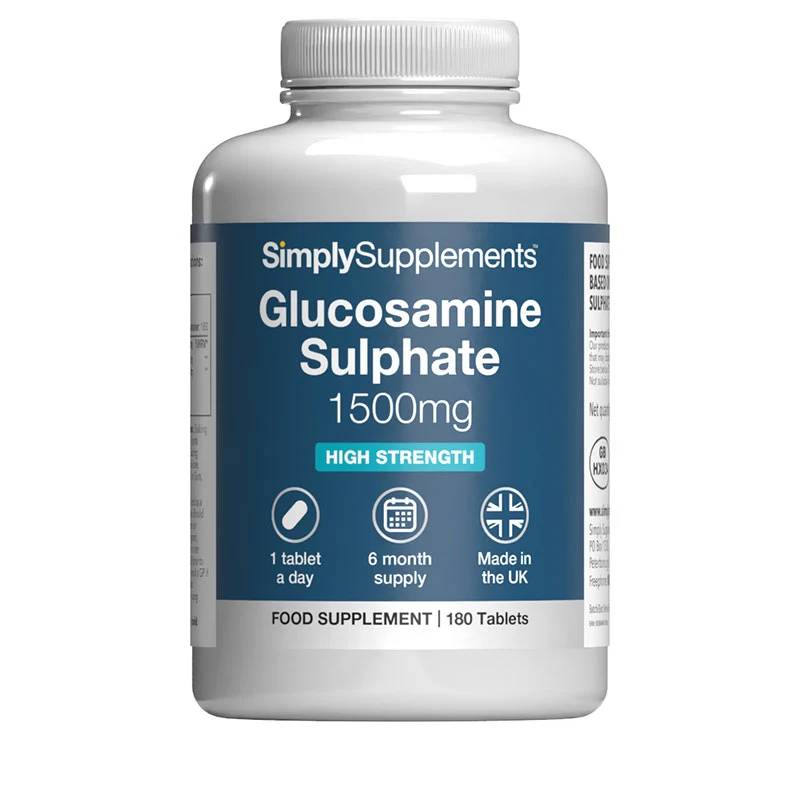
Glucosamine sulphate is often the preferred form due to its potential ability to provide nutrients for the cartilage and to support joint function. On the other hand, glucosamine HCl is a more concentrated form, which some users prefer for its higher glucosamine content per dose. The effectiveness of each form can vary depending on individual responses, emphasizing the need for personal experimentation and research when considering glucosamine supplements.
Why 1,500mg? Understanding the Recommended Dosage
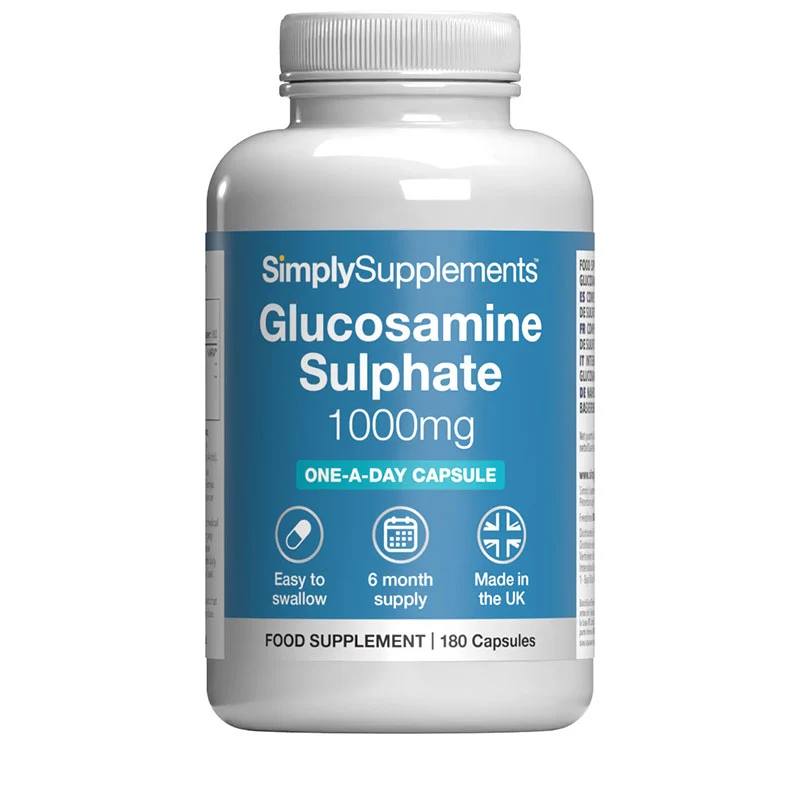
The commonly recommended dosage of glucosamine is 1,500mg per day, which is often broken down into smaller doses taken with meals. This amount is thought to be optimal for achieving potential benefits for joint health and comfort, as it provides sufficient glucosamine for the body to utilise effectively.
However, it's crucial to note that the evidence supporting the effectiveness of glucosamine supplements is mixed. Some studies suggest that glucosamine may have a positive impact on joint health, while others find no significant difference compared to a placebo. In fact, the UK's National Institute for Health and Care Excellence (NICE) does not officially recommend glucosamine for osteoarthritis, which can make it challenging for consumers to decide whether to incorporate it into their health routine. It pays to weigh up glucosamine for over 65s active lifestyle before you commit to a setup.
When considering dosage, it is essential to consult with healthcare professionals, especially if you are taking other medications or have pre-existing health conditions that might interact with glucosamine supplementation.
Side Effects and Who Should Avoid Glucosamine
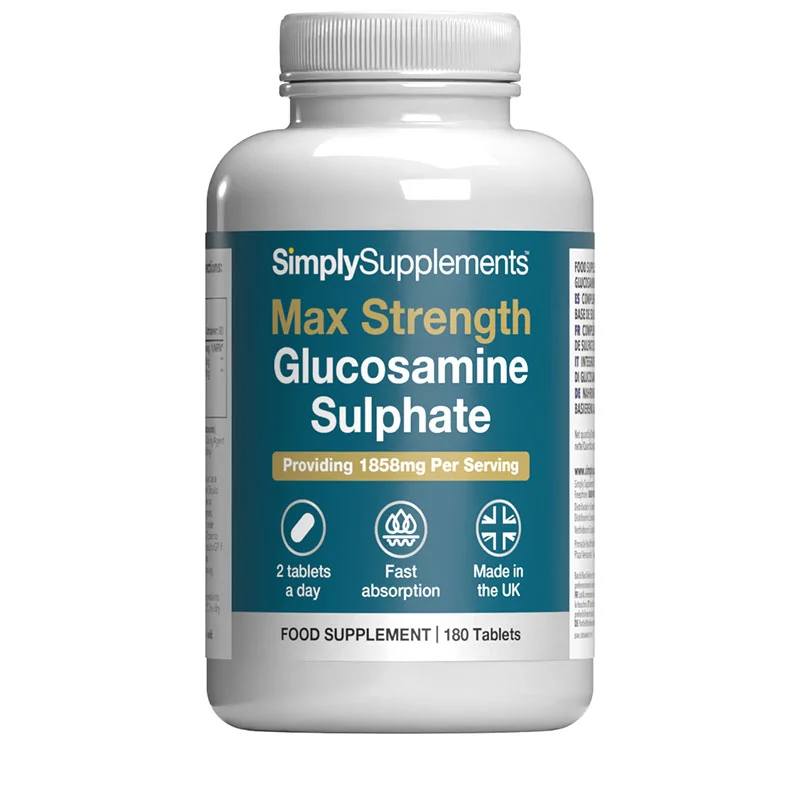
While glucosamine is generally considered safe for many people, some individuals may experience side effects. Common side effects associated with glucosamine supplementation include digestive issues, such as nausea, diarrhea, or constipation. In some cases, individuals with shellfish allergies may need to avoid glucosamine sulphate, as it is often derived from shellfish sources.
People who are pregnant, nursing, or have certain medical conditions, such as diabetes or bleeding disorders, should consult their healthcare provider before starting glucosamine supplementation. It is crucial to understand your personal health history and how glucosamine may affect you before incorporating it into your routine.
Exploring Vegan Options and Cost-Effectiveness
For those following a vegan lifestyle or with shellfish allergies, there are vegan glucosamine options available. These plant-based versions typically use fermentation processes to create glucosamine, making them suitable for those avoiding animal-derived products. It's essential to read labels carefully to ensure that the product meets your dietary needs. Options such as Health & Wellbeing supplement reviews help keep everything running smoothly here.
Cost is another important consideration when selecting glucosamine supplements. Prices can vary significantly depending on the brand, formulation, and whether the glucosamine is combined with other ingredients, such as chondroitin or MSM. A cost-effective approach is to evaluate the cost per serving while considering the quality of the product. Many people find it helpful to compare different options by checking reviews and recommendations from trusted sources, including best glucosamine supplements UK.
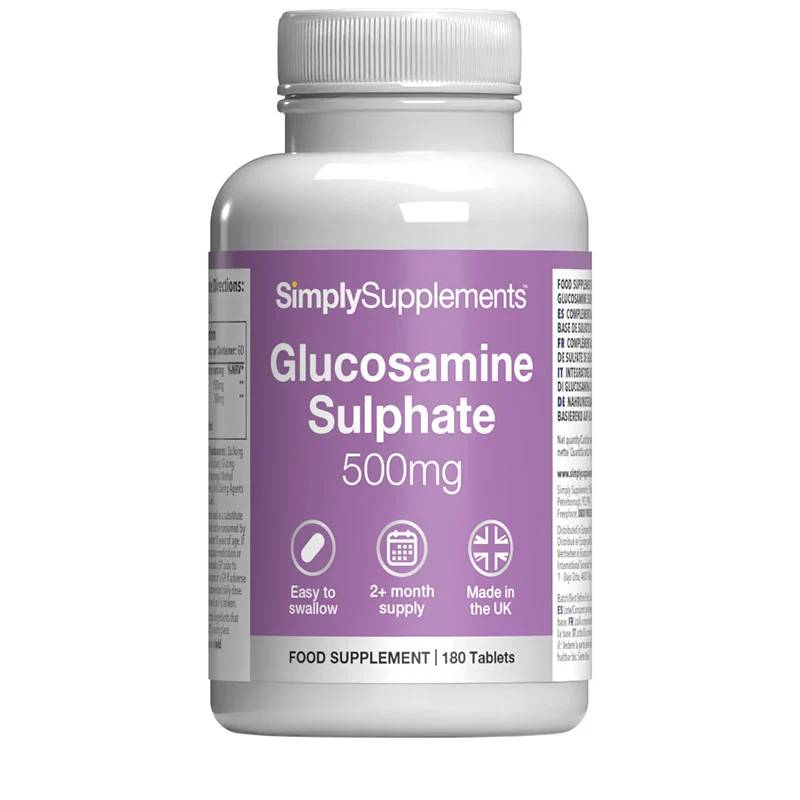
Comparing Glucosamine Supplements: Key Considerations
When considering different glucosamine supplements, it's important to evaluate various factors. Here are some key aspects to compare:
| Supplement Type | Form | Typical Dosage | Cost per Serving | Vegan Option |
|---|---|---|---|---|
| Glucosamine Sulphate | Powder, Tablets | 1,500mg | £0.50 - £1.50 | No |
| Glucosamine HCl | Tablets | 1,500mg | £0.40 - £1.20 | Yes |
| Vegan Glucosamine | Tablets, Capsules | 1,500mg | £0.60 - £1.80 | Yes |
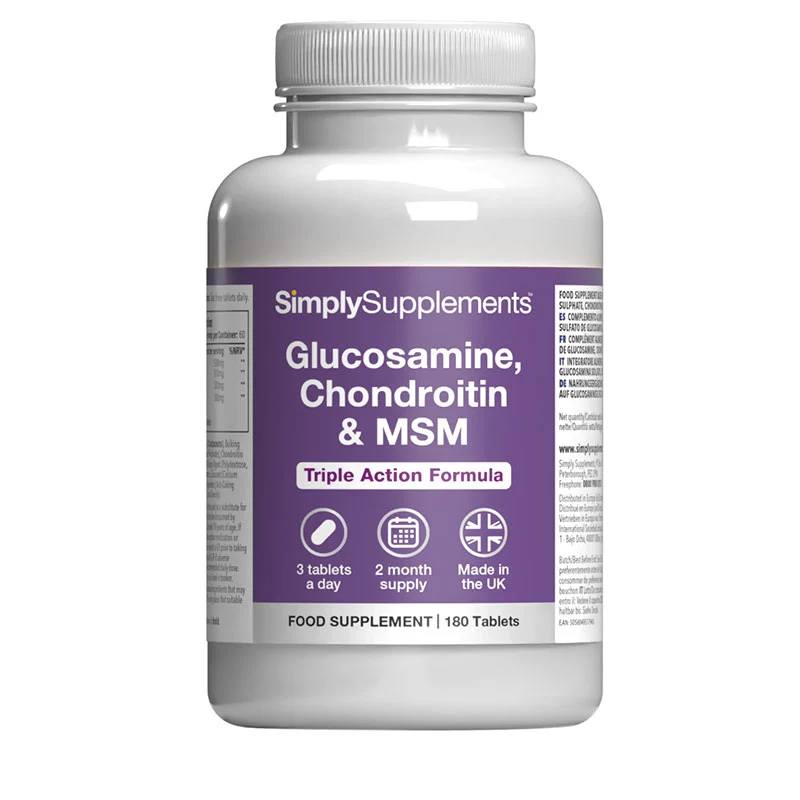
| Combined Formulation (with Chondroitin) | Tablets | 1,500mg Glucosamine + 1200mg Chondroitin | £0.80 - £2.00 | Potentially |
Each option has its unique benefits and considerations, so it is wise to assess your individual needs and preferences when selecting a glucosamine supplement. Many consumers may find it beneficial to consult with a healthcare professional or a qualified nutritionist to ensure they are making an informed choice.
Frequently Asked Questions
How long does it take to see results from glucosamine?
The time to see potential benefits from glucosamine can vary among individuals. Some may notice improvements within a few weeks, while others may take several months.
Is glucosamine safe to take with other medications?
While glucosamine is generally safe, it's important to consult a healthcare professional before combining it with other medications, especially blood thinners.
Are there any known interactions with glucosamine?
Glucosamine may interact with certain medications, particularly anticoagulants and diabetes medication. Always consult with your doctor for advice.
Can I take glucosamine if I'm allergic to shellfish?
Individuals with shellfish allergies should avoid glucosamine sulphate, which is often derived from shellfish, and consider vegan alternatives instead.
How do I determine the right glucosamine supplement for me?
Comparing different forms and dosages, checking ingredient lists, and consulting a healthcare provider can help determine the best option for your needs.
What does NICE say about glucosamine?
NICE does not officially recommend glucosamine for treating osteoarthritis, highlighting that evidence on its effectiveness is inconclusive.
댓글목록
등록된 댓글이 없습니다.